This post contains affiliate links. I may earn a commission if you make a purchase through these links, at no additional cost to you.
Table of Contents
Why Greenhouse Heaters Are a Gardener’s Secret Weapon
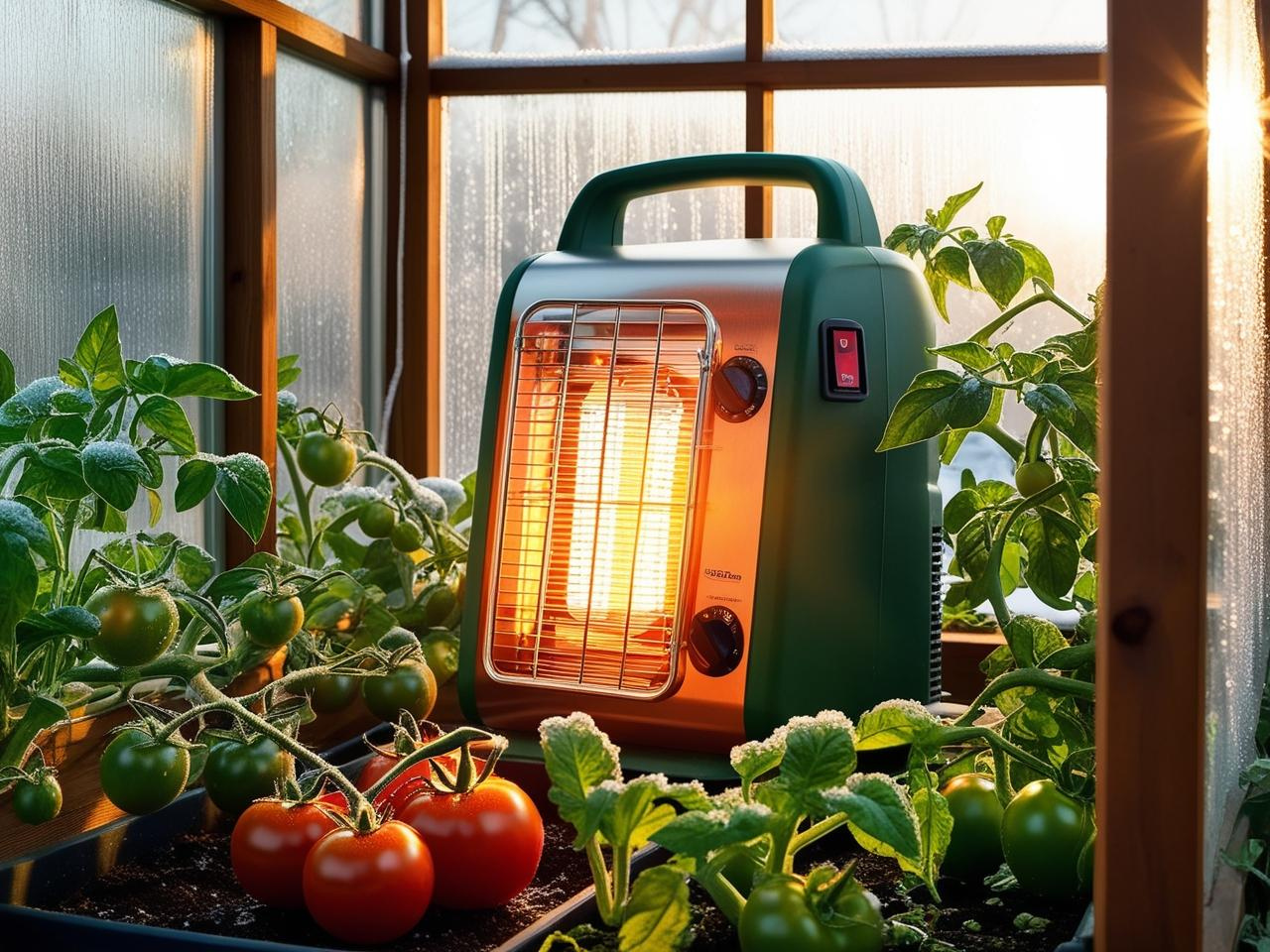
It’s a bone-chilling morning in January. Outside, frost clings to everything. But inside the greenhouse? Tomatoes ripen like it’s midsummer. Orchids bloom in full color. And rows of leafy greens stretch toward the warm air.
That kind of magic doesn’t happen on its own. The right greenhouse heater creates a stable, cozy environment that keeps plants happy no matter how low the temperature drops.
For growers working through cold snaps, extending harvests into the off-season, or protecting tender varieties, heating is non-negotiable. It transforms an ordinary greenhouse into a four-season grow space. This guide covers everything from electric and propane to solar heaters, plus how to choose the best one and which models are worth investing in.
What Does a Greenhouse Heater Actually Do?
A greenhouse heater acts like a silent partner in plant care—constantly working to keep temperatures in the sweet spot. While insulation can slow heat loss, it won’t generate warmth. That’s where heaters come in.
Here’s what a reliable unit does:
- Keeps the temperature steady for germination, flowering, and growth
- Prevents frost damage that can kill tender plants in a single night
- Extends the growing season beyond spring and summer
- Supports indoor seed starting when it’s still freezing outside
When the goal is year-round growing or safeguarding sensitive plants, heaters are what turn ambition into reality.
Do You Really Need One? 3 Reasons Why It’s a Must-Have
Still wondering if a greenhouse heater is necessary? These three factors make the case clear:
- The region gets cold
Even occasional temperature drops below 50°F (10°C) can be harmful to most edible or tropical plants. One unexpected frost can wipe out an entire crop. - The plant list includes heat-lovers
Tomatoes, citrus, orchids, and succulents don’t tolerate cold well. Without a heater, their growth slows or stops completely. - The plan is to garden year-round
Heating keeps the harvest going through winter, supports early seed starting, and opens the door to growing rare or exotic varieties that wouldn’t survive otherwise.
For anyone serious about consistent harvests, healthy foliage, and four-season productivity, a greenhouse heater isn’t a luxury—it’s a must.
Why Do You Need a Greenhouse Heater?
First things first why bother investing in a greenhouse heater? Can’t plants just handle the cold? Not quite. Most plants thrive in stable temperatures, and a greenhouse heater:
- Prevents frost damage: Even a slight dip below freezing can kill delicate plants.
- Extends your growing season: Keep growing crops year-round with regulated heat.
- Promotes plant growth: Stable warmth encourages germination and healthy root development.
Whether you’re growing orchids, veggies, or exotic plants, a reliable heater can be the difference between a lush paradise and a withering disappointment.
Types of Greenhouse Heaters (And How to Choose the Right One)
Not all greenhouse heaters are created equal. Each type has its own strengths, depending on the space, location, and plants involved. Here’s a breakdown of the most common options and where they shine.
Electric Greenhouse Heaters
Electric heaters are the go-to for most home gardeners. They’re clean, easy to use, and require minimal setup. Just plug in and go.
Why they work:
- No fumes or emissions, making them safe for enclosed spaces
- Built-in thermostats for precise temperature control
- Ideal for small to medium-sized greenhouses with reliable power access
Electric heaters come in various wattages and sizes. Some models even include fans to help circulate warm air more evenly.
Propane Greenhouse Heaters
For those working off-grid or in larger spaces, propane heaters bring the heat—literally. These units run on fuel tanks and can output serious BTUs.
Why they work:
- Powerful heat output suitable for larger or poorly insulated greenhouses
- Doesn’t rely on electricity, great for remote or rural setups
- Portable and flexible, often with wheels or handles
Propane units do require proper ventilation to prevent carbon monoxide buildup, so airflow planning is key.
Solar Greenhouse Heating Solutions
Solar heaters are gaining popularity with eco-conscious growers. They work best in sunny regions or as supplemental heat during the day.
Why they work:
- Renewable energy source with minimal operating costs
- Great for passive warming during the day or pre-heating air
- Can be combined with electric systems to offset power use
Most solar setups involve panels, a battery, and a controller to power small heaters or fans. They’re not always strong enough alone in cold climates, but they’re a smart addition to a hybrid system.
Electric vs. Propane vs. Solar: Pros, Cons, and Comparison Table
Trying to decide which type of heater fits best? Here’s a quick overview of how electric, propane, and solar stack up.
| Feature | Electric | Propane | Solar |
|---|---|---|---|
| Power Source | Electricity | Propane fuel | Sunlight / Battery |
| Operating Cost | Medium to High | Medium (fuel required) | Low (after setup cost) |
| Installation | Plug-and-play | Requires ventilation | More complex upfront setup |
| Portability | Limited | High | High |
| Emissions | None | Produces CO2 | None |
| Best Use | Small/medium greenhouses | Large/off-grid greenhouses | Sunny climates or add-on heat |
Each type has its place. Smaller spaces with consistent electricity can rely on electric. Large or remote greenhouses may benefit more from propane. Solar works best as a supplement unless in a very sunny climate.
How to Size Your Greenhouse Heater Properly
One of the biggest mistakes is buying a heater that’s too small—or way too big. Proper sizing ensures energy efficiency and steady heat without wasting power or fuel.
To get it right, calculate the BTUs (British Thermal Units) or watts needed using this simple formula:
Greenhouse volume (in cubic feet) x desired temperature rise x 0.133 = BTUs needed
Quick example:
- A 10 ft x 12 ft greenhouse with an 8 ft ceiling = 960 cubic feet
- If the goal is to raise the inside temp by 30°F, the equation is:
960 x 30 x 0.133 = 3,830 BTUs
Always round up slightly, especially if the greenhouse has poor insulation or is in a windy, cold region. Check the heater’s output and match it to this calculation to avoid underheating or overspending.
>>Get the Ultimate Seed Collection and Preservation Guide
Best for Small Greenhouses
Pelonis 1500W Electric Quartz Radiant Heater (PSH20Q3AWW)
Perfect for targeted warmth around seedlings or sensitive plants. Radiant heat minimizes airflow, great for small enclosed setups.
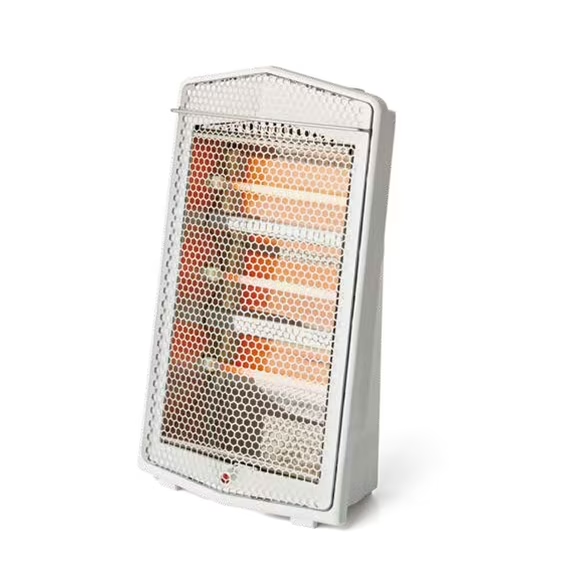
Pelonis Portable Space Heater – Black, 1500W
A simple, lightweight option ideal for tight spaces or as a backup heater. Offers 5 heat settings and easy portability.
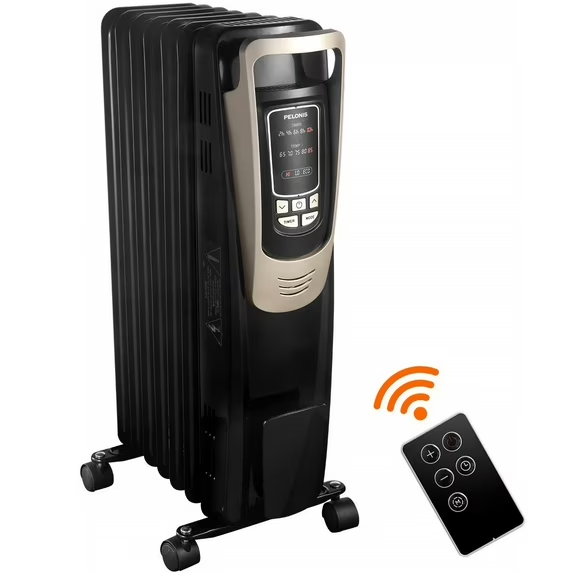
Dr. Heater DR218-1500W Greenhouse Heater
Built for humid greenhouse environments. This infrared heater delivers quiet, corrosion-resistant performance in small to medium greenhouses.
Pelonis 1500W 3-Speed Forced Air Heater (PSHF10M1AWW)
Compact yet effective, this unit’s fan-forced heating helps circulate warmth efficiently in smaller greenhouse layouts.
Best for Medium Greenhouses
Bio Green PAL 2.0/USDT Palma Greenhouse Heater
A reliable, greenhouse-specific heater with a splash-proof design and built-in digital thermostat. Great for maintaining stable temps with minimal fuss.


Mr. Heater F232000 MH9BX Buddy Heater (Propane)
A trusted, portable propane heater ideal for greenhouses without electricity. Runs clean and includes automatic safety shut-offs.
Best for Large Greenhouses
Newair 240V Hardwired Garage Heater
This ceiling-mounted 5600W beast heats up to 500 sq. ft. with directional airflow thanks to tilt head and adjustable louvers.
King Electric GH2405TB Greenhouse Heater
Durable and high-output (5000W), designed for big greenhouse spaces that need consistent, directional heating.
NewAir Electric Utility Heater – 5600W
Heavy-duty electric heater with built-in thermostat. Perfect for high-ceiling greenhouses or areas exposed to consistent cold.
Mr. Heater MH18B Big Buddy Heater (Propane)
With up to 18,000 BTUs and dual tank capacity, this portable propane heater handles large spaces efficiently.
Dyna-Glo RMC-FA60DGD Forced Air Propane Heater
Serious power (60,000 BTUs) for uninsulated or commercial greenhouses. Not subtle, but extremely effective in frigid climates.
Best for Off-Grid Greenhouses
Mr. Heater MH9BX & MH18B Series
Both models are propane-powered and require no electricity, making them ideal for remote or mobile greenhouses.
Comfort Glow GCH480 Propane Cabinet Heater
Easy to roll and reliable in performance. A solid off-grid heating option with built-in safety features.
Top Eco-Friendly & Solar Heating Options
SunHeater Solar Heating System
Great for passive daytime warming in sun-drenched greenhouses. Best used as a secondary heating source.
Eco-Worthy 400W Solar Panel Kit
Pair with electric heaters for off-grid setups. Ideal for gardeners looking to reduce utility use or go full solar.
Smart Features to Look For in a Greenhouse Heater
Not all greenhouse heaters are built the same. Some just blow hot air, while others do the heavy lifting for you with smart features that make greenhouse management a breeze. Whether it’s saving energy, improving safety, or making life more convenient, these are the upgrades worth watching for.
Built-in Thermostat
A heater with a built-in thermostat helps maintain a steady temperature without constant adjustment. It turns off when things get too warm and kicks back on when the greenhouse starts to cool, saving energy and stress.
Digital Controls
Digital displays offer precision. Being able to set an exact temperature gives better control over the growing environment, especially for delicate or temperature-sensitive plants.
Remote or App Control
Some modern heaters now come with remote controls—or even better, smartphone app integration. That means no running out in the cold to adjust settings. Control the climate from anywhere.
Adjustable Heat Settings
The more flexibility, the better. Adjustable heat levels allow you to scale warmth up or down based on outdoor temps, time of day, or plant needs.
Fan-Forced Circulation
Heaters with a built-in fan help distribute warm air evenly across the greenhouse. This prevents hot spots near the heater and cold zones farther away.
Overheat and Tip-Over Protection
Safety first. Look for automatic shut-off features in case the unit overheats or accidentally tips over. These features are especially important in tightly packed greenhouse setups.
Humidity Resistance (IP Rating)
Greenhouses are humid by nature, so splash-proof or moisture-resistant designs (like IPX4-rated heaters) last longer and operate more safely.
Adding even one or two of these smart features can make a big difference in efficiency, safety, and ease of use—especially if the heater is running daily through winter months.
Greenhouse Heating for Off-Grid Gardeners
Running a greenhouse without access to electricity? No problem. There are solid heating options that don’t rely on the grid, giving you flexibility no matter how remote your setup is.
Propane Heaters: The Go-To Off-Grid Solution
Propane heaters are the most popular choice for off-grid greenhouses. They’re portable, powerful, and don’t require electricity to operate. Just hook up a propane tank and go. Look for models with built-in safety features like oxygen depletion sensors and automatic shut-off.
Top picks:
- Mr. Heater Buddy Series (portable, safe for indoor use)
- Dyna-Glo Forced Air Propane Heater (great for large spaces)
- Comfort Glow GCH480 Cabinet Heater (portable with wheels)
Wood Burning Stoves: Rustic but Reliable
For the truly self-sufficient grower, a small wood stove can provide serious heat—especially in colder climates. They require more setup and attention but offer excellent long-term value with minimal fuel costs (especially if wood is free or cheap).
Solar Heating Systems: Free Energy with the Right Setup
While solar alone may not heat a greenhouse through freezing nights, it’s an excellent secondary source during the day. Solar panels can power small electric heaters, fans, or charge batteries for nighttime use. Passive solar heat collectors are also great for adding background warmth without ongoing costs.
Thermal Mass Heating: Old-School Efficiency
Using barrels of water, rocks, or concrete blocks to absorb heat during the day and release it at night is a classic off-grid trick. While it doesn’t replace a heater, it can help reduce how often a heater kicks in—saving fuel and keeping temperatures more stable.
Kerosene or Diesel Heaters: Use with Caution
These heaters are powerful but require proper ventilation and constant monitoring. They’re less common due to emissions and odor, but can be used in large, well-ventilated greenhouses where other options aren’t available.
Off-grid heating is all about finding the right balance between fuel efficiency, safety, and setup effort. With the right equipment and planning, it’s totally possible to keep plants warm and productive—no outlet required.
Tips to Maximize Heater Efficiency & Minimize Costs
Heating a greenhouse doesn’t have to burn through your budget. With the right tricks and a bit of prep, it’s possible to keep things toasty without watching the energy bill skyrocket.
Seal the Leaks
Start by checking for drafts. Use weather stripping, foam tape, or caulk around doors, windows, and seams. Even small gaps let warm air escape and cold air creep in, forcing your heater to work overtime.
Insulate Smartly
Bubble wrap isn’t just for shipping—it’s great insulation for greenhouse walls. Add thermal screens, row covers, or shade cloths to trap heat overnight. A layer of mulch around pots helps keep soil temperatures stable too.
Use a Thermostat
Set-it-and-forget-it temperature control prevents overheating (and overpaying). Aim to keep temps in the optimal range for your plants—no more, no less.
Choose the Right Size Heater
Too small, and it struggles to keep up. Too big, and it wastes energy cycling on and off. Use a heater that matches your greenhouse volume and insulation level. If you’re unsure, always calculate the BTUs or wattage needed for your specific space.
Circulate Warm Air
Heat rises. A simple circulation fan helps distribute warmth evenly, keeping floor-level plants just as cozy as those on the top shelf.
Add Thermal Mass
Barrels of water, bricks, or stones soak up heat during the day and slowly release it at night. It’s an old-school trick that works—especially when paired with solar heating or natural sunlight.
Use Heaters Only When Needed
Don’t run your heater all day just because it’s winter. Let temperatures dip a little at night if your plants can tolerate it. A programmable timer can help automate on/off cycles for optimal efficiency.
Zone Your Greenhouse
If only a portion of your greenhouse needs heating—like a propagation bench or overwintering area—focus heat where it matters. This can drastically cut costs.
Even a high-efficiency heater won’t perform its best in a poorly prepped greenhouse. With these small adjustments, you’ll not only save money—you’ll give your plants a more consistent and comfortable space to thrive.
How to Heat a Greenhouse Without Electricity
No power? No problem. Whether it’s a remote garden plot, an off-grid lifestyle, or just a power outage, there are plenty of ways to keep a greenhouse warm without plugging in.
1. Propane Heaters
A top choice for off-grid setups. They offer powerful, consistent heat and work well in medium to large greenhouses. Just be sure to provide proper ventilation and install carbon monoxide detectors. Safety comes first.
2. Passive Solar Heating
Leverage the sun to do the heavy lifting. Use clear polycarbonate panels or double-glazed plastic to let in more sunlight during the day. Add thermal mass like black barrels of water, which absorb heat during daylight hours and radiate it at night.
3. Wood-Burning Stoves
An old-school solution that’s still incredibly effective. With a proper flue and safety setup, a small wood stove can warm a large space. It takes more effort but works well if firewood is easily available.
4. Compost Heat
A warm compost pile can reach 120–150°F. Set one up along the inside walls of the greenhouse or use compost bins under raised beds. As the compost breaks down, it naturally warms the air and soil around it.
5. Thermal Mass
Even without active heat sources, materials like bricks, stone, or water barrels can stabilize temperatures. These elements store heat during the day and release it slowly overnight, reducing the need for additional heating.
6. Cold Frames Inside the Greenhouse
For an extra layer of protection, set up cold frames within the greenhouse. These mini-enclosures keep heat close to plants, especially helpful for seedlings or delicate crops.
7. Row Covers and Garden Blankets
Sometimes it’s not about heating the whole space—just protecting the plants. Floating row covers or thermal garden blankets help retain warmth and shield plants from frost, even if air temperatures drop.
Combining several of these no-electricity methods can be surprisingly effective. They may not offer precision temperature control, but they do make it possible to grow through colder months without relying on the grid.
Installing Your Greenhouse Heater: Setup, Safety, and Ventilation Tips
A good greenhouse heater only works if it’s installed the right way. Whether you’re using electric, propane, or solar, proper placement and setup make all the difference in performance and safety.
Choose the Right Spot
Place the heater near the area that needs the most warmth, but avoid placing it too close to plants or flammable materials. Corners often work well for circulation, especially when paired with a fan.
Keep It Off the Ground
Use a stable, non-flammable surface or a mounting bracket (for ceiling or wall-mounted models). This improves heat distribution and keeps the unit away from puddles, soil, or growing trays.
Ensure Good Airflow
Don’t block the intake or vents. Air needs to circulate freely around the unit to avoid overheating and to spread warmth evenly. A small circulation fan can help prevent hot and cold zones.
Ventilation Matters
For propane or gas heaters, proper ventilation is non-negotiable. Always install according to manufacturer guidelines, including venting combustion gases safely outside. Never use unvented gas heaters in a sealed greenhouse.
Check Electrical Requirements
Electric heaters often draw a lot of power. Make sure your wiring and outlets are up to the task. Use weather-resistant, outdoor-rated cords if needed, and avoid overloading circuits.
Use a Thermostat or Timer
Adding a thermostat gives you better temperature control. A timer can help schedule heating cycles—especially helpful during the early morning and overnight hours.
Safety First
Always install carbon monoxide detectors when using fuel-burning heaters. Keep flammable items away from the unit, and don’t leave portable heaters unattended in tightly enclosed areas.
A few extra minutes spent installing your heater the right way can improve efficiency, extend the life of the unit, and most importantly, keep your plants (and you) safe.
13. Portable vs. Fixed Greenhouse Heaters
One of the first decisions to make when shopping for a greenhouse heater is whether to go with a portable or fixed model. Each has its pros and cons depending on your space, needs, and gardening habits.
Portable Heaters
These are plug-and-play units that can be moved easily. Great for smaller greenhouses, seasonal use, or gardeners who want flexibility.
Pros:
- Easy to set up and relocate
- Ideal for spot-heating or rotating crops
- Good for temporary setups or hobby growers
Cons:
- May not heat large areas evenly
- Limited in power output
- Usually lack permanent venting options
Fixed Heaters
These units are mounted to a wall, ceiling, or floor and designed to stay put. Best for larger or commercial greenhouses that require consistent, widespread heating.
Pros:
- Higher output for large spaces
- Better long-term efficiency
- Can be hardwired or ducted for better airflow
Cons:
- Higher upfront cost and installation effort
- Less flexibility if you rearrange your greenhouse layout
- May require professional installation or wiring
If your greenhouse is a seasonal setup or under 200 square feet, portable might be the way to go. But for bigger, year-round operations, a fixed heater often pays off in performance and reliability.
Seasonal Tips: Using Your Heater in Winter vs. Spring
Heating your greenhouse isn’t a one-size-fits-all operation. The way you use your heater in the dead of winter will differ from how you should use it during the milder days of spring. Here’s how to adapt your approach as the seasons shift.
Winter Heating Strategy
In winter, heating is essential—not optional. Temperatures can swing wildly, especially overnight. Your goal is to keep the inside of the greenhouse just warm enough to prevent frost damage and maintain active growth.
Tips for Winter:
- Set thermostats slightly above freezing (around 40–45°F) for hardy plants.
- Use backup systems or alerts if you’re growing temperature-sensitive crops.
- Make use of thermal mass (like water barrels) to stabilize night temperatures.
- Run your heater consistently during cold snaps but avoid overheating the space.
Spring Heating Strategy
By spring, longer days and milder weather reduce your heating needs. Still, early mornings and nights can get chilly, especially for seedlings and tropical plants.
Tips for Spring:
- Lower your thermostat or switch to daytime-only heating.
- Consider using portable heaters only during frost warnings.
- Ventilate during warmer afternoons to avoid overheating.
- Begin weaning plants off constant heat to prepare them for outdoor conditions.
Seasonal transitions are also a great time to clean and inspect your heater. Clear away dust, check cords and gas lines, and make sure everything is running smoothly before the next big temperature shift.
Greenhouse Heater Mistakes to Avoid
Even the best greenhouse heater can fall short if it’s used the wrong way. These are some of the most common heating mistakes and how to avoid them.
Ignoring Greenhouse Size and Heater Capacity
Using a heater that’s too small won’t keep your plants warm. Using one that’s too big can lead to overheating and wasted energy. Always calculate the volume of your greenhouse (length × width × height) and match it with the appropriate BTU or wattage rating.
Skipping Ventilation with Gas or Propane Heaters
Running a fuel-burning heater without ventilation is dangerous. It can lead to a buildup of harmful gases like carbon monoxide. Always vent gas heaters properly and install a carbon monoxide detector.
Overheating the Greenhouse
It’s tempting to crank up the heat in winter, but plants don’t need a tropical climate to thrive. Excess heat can dry out soil, stunt growth, and waste energy. Stick to the recommended temperature ranges for what you’re growing.
Placing the Heater in the Wrong Spot
Heaters tucked into corners, behind objects, or on the floor often fail to heat evenly. Proper placement ensures better air circulation and reduces hot and cold zones.
Not Using a Thermostat or Timer
Running a heater 24/7 without controls wastes energy. Timers and thermostats keep the environment stable and efficient. They’re a small investment that pays off quickly.
Ignoring Safety Features
Always choose heaters with built-in safety mechanisms—especially tip-over protection, overheat shut-off, and moisture resistance. Skipping these features can put your plants and your space at risk.
Neglecting Maintenance
Dusty vents, clogged fans, or corroded components can lead to poor performance—or failure when you need heat the most. Clean and inspect your heater regularly, especially before the heating season starts.
Avoiding these pitfalls ensures your heater runs efficiently, your plants stay protected, and your energy use stays under control.
Do Greenhouse Heaters Work in Extremely Cold Climates?
Yes—greenhouse heaters can absolutely work in extremely cold climates, but success depends on a few key factors: the heater you choose, how well your greenhouse is insulated, and your ability to manage heat loss.
Insulation Is Everything
Even the most powerful heater will struggle if warm air leaks out. In cold regions, double-wall polycarbonate panels, bubble wrap insulation, or thermal curtains are critical to hold in the heat.
Choose a Heater with Enough Power
In frigid areas, underpowered units won’t cut it. You’ll need a heater with a higher BTU or wattage rating, sized properly for your space. Propane and hardwired electric heaters are often better suited for these conditions than smaller plug-in units.
Supplement with Passive Heating
Solar thermal mass (like water barrels or bricks) can help stabilize nighttime temperatures. While not enough on their own, they reduce how hard your heater needs to work once the sun goes down.
Layer Your Protection
Use row covers, cold frames, or plant tents inside the greenhouse to create microclimates. These add insulation around your most vulnerable crops.
Maintain Backup Systems
Power outages in winter are common. In extremely cold areas, it’s smart to have a propane heater or generator-backed solution ready as a backup to keep your greenhouse from freezing.
With the right setup, even gardeners in northern regions can keep greenhouses warm and productive through harsh winters. It just takes thoughtful planning and the right equipment.
Maintenance Tips to Extend Your Heater’s Life
Your greenhouse heater is a long-term investment, and with a bit of care, it can serve you for many seasons. Regular maintenance helps keep it efficient and safe.
Clean the Vents and Fan Blades
Dust and debris can clog up airflow, especially during high-usage winter months. A monthly check and wipe-down goes a long way.
Inspect Power Cords and Connectors
Frayed cords or corroded connectors can lead to short circuits. Replace any damaged parts immediately.
Test the Thermostat Regularly
Check that your thermostat activates at the correct temperature. Faulty sensors can lead to overheating or underheating.
Drain Propane Lines in Spring
For propane heaters, disconnect and safely store tanks in warmer months. Always check for leaks when reconnecting in fall.
Check Safety Features
Ensure auto shut-offs, tip-over protections, and overheat sensors are functioning before each season begins.
Eco-Friendly Heating Alternatives
Looking to keep your plants warm and your footprint light? There are greener ways to heat a greenhouse that reduce your reliance on fossil fuels.
Passive Solar Heating
Design your greenhouse to capture and retain heat from the sun. Use dark thermal mass (like painted water barrels) to absorb and release warmth overnight.
Solar Panel-Powered Heaters
Combine solar panels with energy-efficient electric heaters. This hybrid setup offers the convenience of electric heating without the electricity bill.
Compost Heat
A well-managed compost pile generates steady warmth. Integrate compost bins near growing areas to boost ambient temperatures.
Biomass and Pellet Stoves
These alternatives to wood-burning stoves offer cleaner combustion and are often more efficient.
Wind-Powered Systems
In windy areas, small turbines can generate power to supplement greenhouse operations, including heating.
Frequently Asked Questions
1. What size greenhouse heater do I need?
The size depends on your greenhouse dimensions and insulation. A simple rule: calculate the cubic feet of your greenhouse and choose a heater with enough BTU (British Thermal Units) output to maintain the desired temperature.
2. Are electric heaters better than propane heaters?
It depends on your needs. Electric heaters are clean and easy to use but require electricity. Propane heaters are portable and powerful but need ventilation.
3. How can I make my greenhouse heater more efficient?
- Insulate your greenhouse with bubble wrap or thermal screens.
- Use a heater with a thermostat to avoid overuse.
- Combine heating with proper ventilation for airflow.
4. Are solar greenhouse heaters reliable?
Solar heaters work best as a secondary heat source unless you live in a sunny region year-round. Combining solar heat with another type ensures consistent warmth.
5. How do I keep my greenhouse heater safe?
- Choose heaters with safety features like auto shut-off.
- Keep heaters away from flammable materials.
- Ventilate properly if using gas or propane models.
Conclusion: Choosing the Right Greenhouse Heater
Whether you’re a backyard gardener or managing a commercial setup, the right greenhouse heater protects your plants, extends your growing season, and keeps your crops thriving through the cold months.
Think about your space, climate, and goals. A small portable heater may be enough for a patio greenhouse, while a hardwired, thermostat-controlled unit might suit a high-production tunnel. Don’t forget about insulation, placement, and ventilation—they matter just as much as the heater itself.
Whatever path you choose, a well-heated greenhouse means happy plants and a longer harvest window, all year long.