This post contains affiliate links. As an Amazon associate I may earn small commission from qualifying products at no cost to you.
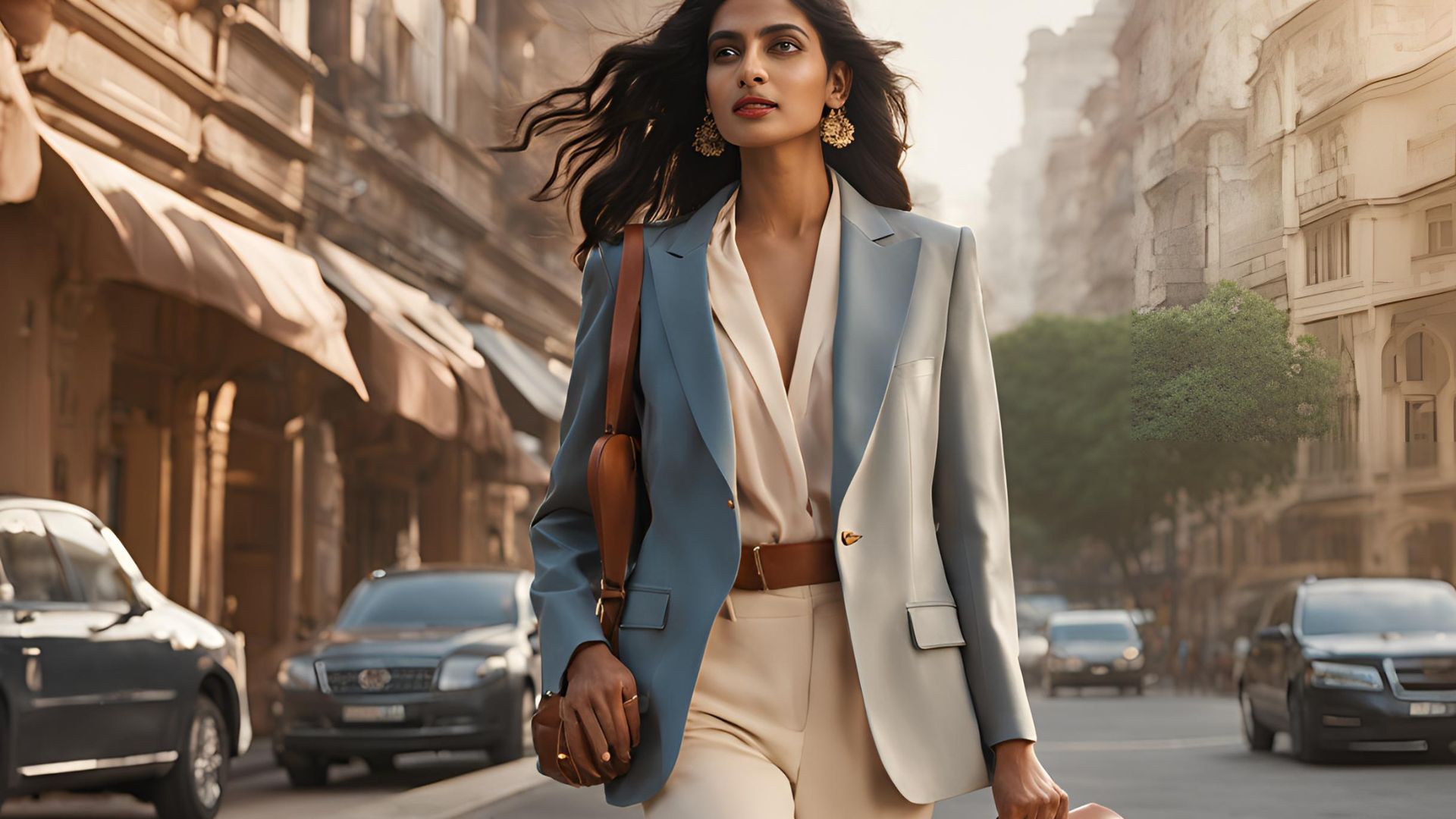
There’s something undeniably captivating about old money style. It doesn’t shout. It whispers luxury in clean lines, rich textures, and timeless tailoring. In a world saturated with trends and logomania, the quiet confidence of the old money aesthetic stands out more than ever.
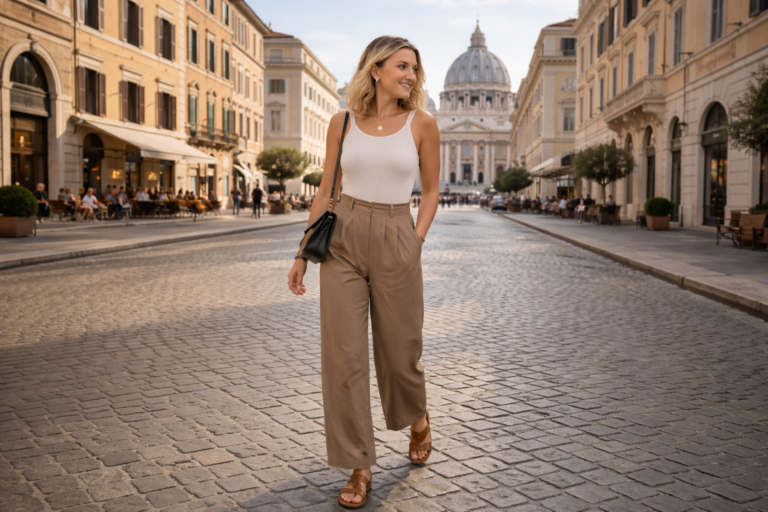
This style isn’t just about looking expensive it’s about embodying restraint, refinement, and timeless elegance. Think camel coats, silk blouses, cashmere layers, and perfectly tailored trousers. It’s about wearing clothes that feel lived-in but never worn-out, curated with intention and quality.
If you’re drawn to a wardrobe that ages gracefully, feels elegant without effort, and doesn’t revolve around fast-changing trends, this guide is for you. I’ve pulled together 21 chic old money outfits for women that will elevate your daily style, plus the essential fashion rules that define the aesthetic. Whether you’re dressing for the office, dinner, or a day in the city, this is your blueprint to looking timelessly pulled-together.
Table of Contents
What Defines the Old Money Outfit?
Old money fashion is more than just a trend—it’s a way of dressing that reflects heritage, quality, and quiet confidence. Unlike flashy or trendy styles, the old money look is subtle, polished, and never overdone.
At its core, the old money outfit is built around a few key principles:
Timeless tailoring
Fit is everything. Whether it’s a blazer, coat, or trouser, clothing should skim the body without clinging. Structured silhouettes like pencil skirts, straight-leg trousers, or A-line dresses create a clean, elegant line.
High-quality fabrics
The texture of a garment is what gives it luxury. Natural fabrics like wool, cashmere, silk, and linen are staples of the old money aesthetic. These materials don’t just look refined—they wear beautifully over time.
A neutral, muted color palette
Beige, navy, black, white, grey, and camel dominate this wardrobe. Occasionally you’ll see forest green or burgundy, but even those colors are rich and subdued. The goal is always harmony, not contrast.
Minimalism with depth
While minimal, old money outfits aren’t boring. They’re layered with intention—cashmere over cotton, wool over silk. You won’t find flashy prints or bold logos, but you will see texture, craftsmanship, and subtle detail.
Restraint in accessories
Jewelry is simple and often sentimental—pearl studs, a slim gold bracelet, a classic watch. Accessories like silk scarves, leather gloves, and structured handbags add polish without noise.
No logos, ever
This is probably the most defining difference from modern “rich” aesthetics. The old money look doesn’t rely on brand names. In fact, it prefers them to be invisible.
Together, these elements create a style that feels rich not just in money, but in taste and tradition. It’s a wardrobe built to last, to be passed down, and to always look in style—even when everything else has changed.
A. Classic Daytime Elegance
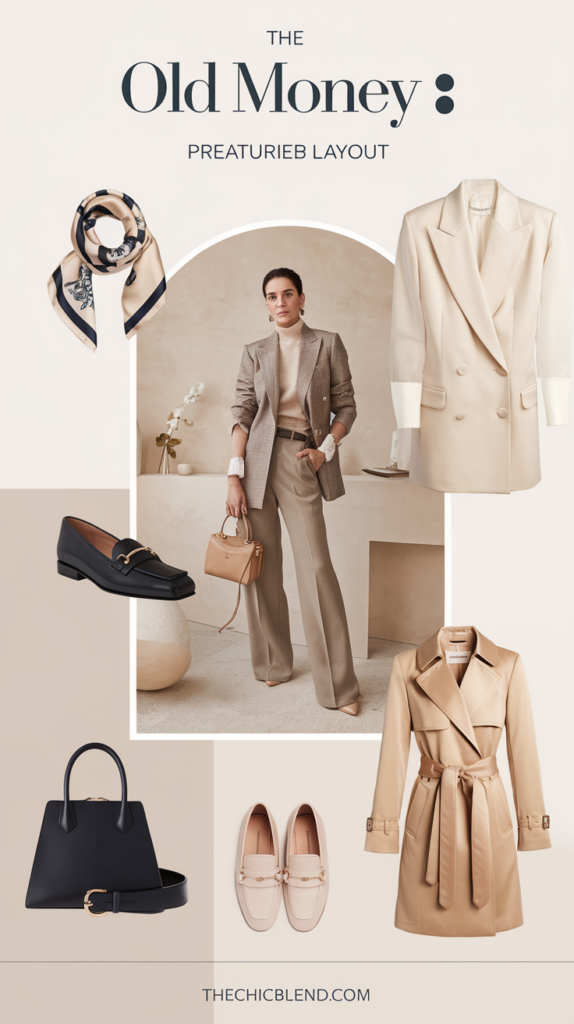
1. Tailored Blazer and High-Waisted Trousers
A structured blazer paired with high-waisted trousers is the cornerstone of old money style. Stick to neutrals like beige or navy and wear it with a tucked-in blouse or a lightweight knit.
2. Structured White Shirt and Pencil Skirt
Clean and powerful, this combo creates a refined silhouette. Look for a crisp white shirt with subtle tailoring and pair it with a navy, black, or charcoal pencil skirt.
3. Cable-Knit Sweater and Plaid Trousers
Cream or camel cable-knit sweaters are a cold-weather essential. Plaid trousers add a traditional element that still feels fresh and quietly elegant.
4. Oxford Shirt and Cashmere Vest
Layering is key. An Oxford button-down beneath a cashmere vest brings subtle contrast in texture. This pairing feels intellectual and composed—perfect for a day at the office or lunch in the city.
5. Striped Button-Down and Khakis
For a coastal old money vibe, opt for a fitted striped button-down and high-quality khaki trousers. Add loafers and a leather belt for a polished finish.
B. Smart-Casual Refined
6. Silk Blouse and Dark-Wash Jeans
Relaxed, but not too relaxed. Pair a silk blouse with tailored dark-wash jeans and pointed flats. This is ideal for weekends where you want to stay elevated without being formal.
7. Double-Breasted Blazer and Straight-Leg Jeans
A modern twist on heritage style. Throw a structured double-breasted blazer over clean-cut jeans and add loafers or ankle boots.
8. Pleated Trousers and Fitted Cardigan
Tuck a simple blouse into pleated trousers, then layer with a fitted cardigan worn buttoned-up. Stick to tonal colors like oatmeal, blush, or grey.
9. Boatneck Sweater and Pleated Skirt
Boatneck cuts are elegant and slightly unexpected. Pair with a midi pleated skirt for a graceful, feminine silhouette that works across seasons.
10. Camel Coat and Turtleneck Sweater
This is a winter uniform. A well-structured camel coat layered over a ribbed turtleneck and wool trousers feels classic and sharp, without trying too hard.
C. Event and Evening Sophistication
- Monochromatic Suit and Leather Heels
A tailored monochrome suit in tones like ivory, black, or charcoal instantly elevates your evening look. Pair with minimal leather heels and a sleek clutch for refined power dressing that transitions effortlessly from a gallery opening to dinner. - Tweed Skirt Suit and Classic Pumps
Tweed adds texture and traditional elegance. Choose a matching tweed jacket and skirt in muted shades like grey or camel. Complete the look with pointed pumps and a vintage-inspired bag for timeless polish. - Silk Camisole and High-Waisted Midi Skirt
The silk cami brings understated sensuality to the old money aesthetic. Tuck it into a structured midi skirt and top with a fine knit or wrap for cooler evenings. Add a low heel or slingback for extra sophistication. - Slip Dress and Long Coat
A minimalist slip dress in silk or satin under a sharply tailored long coat creates instant impact. This look is sleek, simple, and quietly luxurious—perfect for evening occasions that call for subtle elegance. - Peacoat and Wool Trousers
This classic cold-weather pairing is both chic and functional. Choose a double-breasted peacoat in navy or black, and wear it with wide-leg wool trousers and leather loafers or boots. Add a structured handbag to elevate the whole look.

D. Transitional and Layering Looks
16. Silk Scarf, Tailored Coat, and Fitted Pants
A silk scarf is the ultimate old money accessory. Knot it loosely around your neck or wrist, layer a long wool coat over tailored trousers, and you’ve got effortless elegance from head to toe.
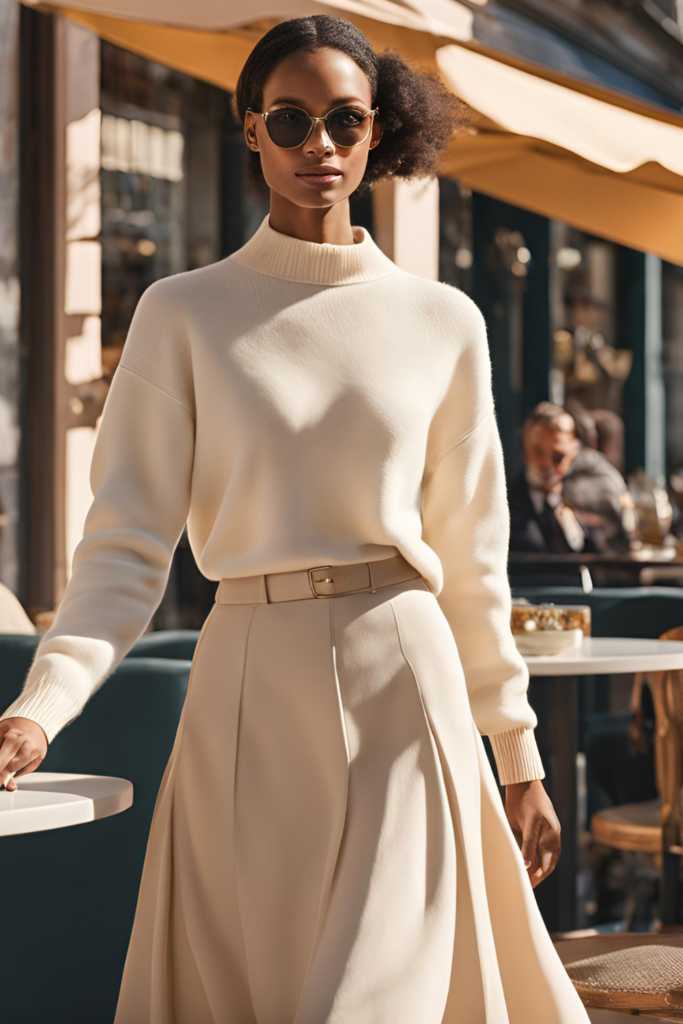
17. Cashmere Sweater and Midi Skirt
Perfect for in-between seasons, this pairing balances softness with structure. Choose a neutral cashmere knit and tuck it into a pleated or straight midi skirt. Add low-heeled boots or ballet flats.
18. High-Waisted Trousers and Mock-Neck Top
This silhouette elongates the body and keeps your look sleek. A fitted mock-neck top in a knit or stretch fabric pairs well with wide or straight-leg trousers. Add a belt and understated jewelry.
19. Trench Coat Layered Over a Turtleneck and Slacks
The classic trench is a wardrobe workhorse. Layer it over a fine-knit turtleneck and slim wool slacks. It’s a timeless, weather-friendly ensemble that works in any city.

20. Fitted Blazer and Plaid Skirt
For days when you want a polished but slightly preppy look, pair a structured blazer with a knee-length plaid skirt. Add tights and loafers or block heels to finish.
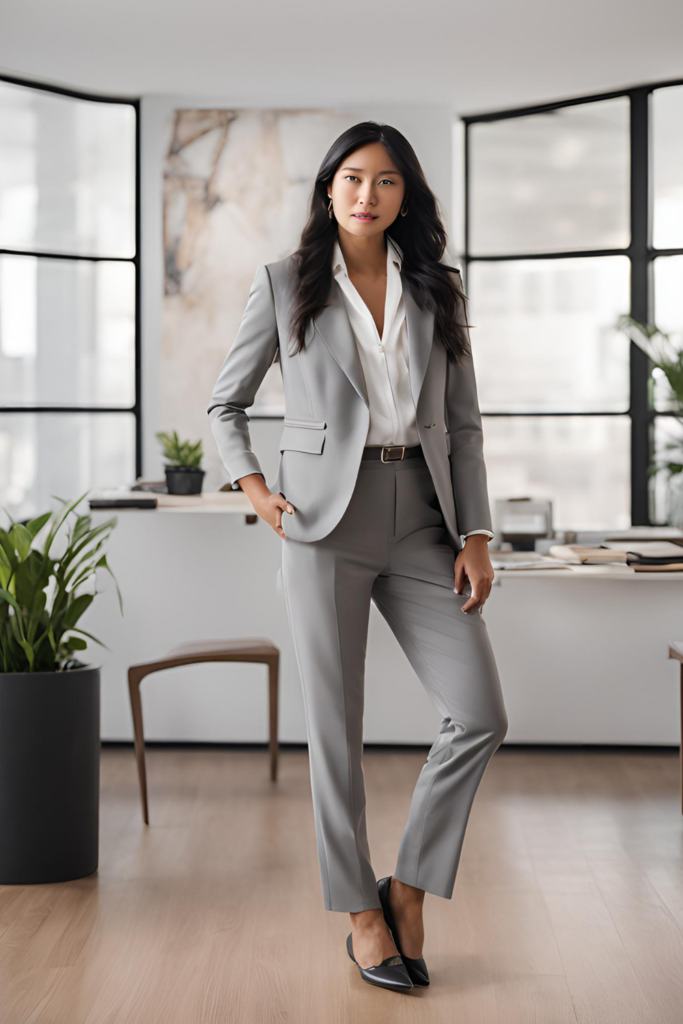
21. Silk Scarf, Tailored Coat, and Fitted Pants
A silk scarf is the ultimate old money accessory. Knot it loosely around your neck or wrist, layer a long wool coat over tailored trousers, and you’ve got effortless elegance from head to toe.
Style Rules to Achieve the Old Money Look
To truly embody the old money aesthetic, it’s not just about what you wear—but how you wear it. These style rules are the foundation of effortless elegance:
Stick to a neutral palette
Beige, navy, cream, black, grey, and white are timeless for a reason. They’re versatile, non-flashy, and always polished. If you wear color, keep it muted—think burgundy, olive, or deep green.
Invest in quality fabrics
Choose pieces made from cashmere, silk, wool, cotton, or linen. These fabrics drape better, last longer, and hold their shape—qualities essential to old money style.
Tailoring is non-negotiable
Even the most expensive garment will look sloppy if it doesn’t fit right. Spend the extra time (and money) getting your blazers, trousers, and skirts properly altered. A great fit is often the difference between “okay” and “incredible.”
Opt for timeless over trendy
Old money style isn’t concerned with fleeting trends. Avoid overly trendy silhouettes, patterns, or colors. Instead, focus on classic cuts and evergreen pieces you can wear for years.
Less is more with accessories
A few well-chosen pieces speak volumes. Pearl studs, a classic leather bag, or a silk scarf can elevate your outfit without shouting. Let the quality of your clothing do most of the talking.
Logos are out
Brand names are invisible in old money fashion. If a logo is obvious, it’s already too much. Focus on craftsmanship, not status symbols.
How to Build an Old Money Wardrobe on a Budget
You don’t need generational wealth to dress like you have it. Here’s how to achieve the look without overspending:
Start with foundation pieces
Invest first in core items like a tailored blazer, dark trousers, a camel coat, and a white shirt. These can be mixed and matched endlessly.
Prioritize fabric over labels
You’re better off with an unlabeled wool coat than a designer polyester one. Touch the fabric, check the seams, and learn what quality feels like—even in secondhand stores.
Embrace the power of tailoring
A $30 thrifted blazer can look like a $300 one with the right alterations. Tailoring brings even the simplest pieces up to old money standards.
Stick to secondhand and vintage
Consignment stores, vintage boutiques, and online platforms like The RealReal or Vinted often carry high-quality garments at a fraction of the price. Older collections also tend to be better made than modern fast fashion.
Shop slowly and intentionally
This aesthetic isn’t built overnight. Take your time curating your wardrobe. Fewer pieces, better quality—that’s the goal.
Mistakes to Avoid When Styling Old Money Outfits
Even the best intentions can go sideways. Here are some common mistakes to avoid:
Wearing flashy logos
It undermines the quiet luxury you’re aiming for. Subtlety is the foundation of this look.
Following trends too closely
Trendy cuts, colors, or viral pieces can quickly date your wardrobe. Aim for longevity instead.
Ignoring fit
No matter how luxurious the fabric, a poor fit kills the vibe. Take everything to a tailor—especially blazers, pants, and skirts.
Over-accessorizing
A pile of trendy jewelry, bold bags, or statement shoes shifts your look from elegant to cluttered. Keep things minimal and refined.
Using low-quality fabrics
Even a beautiful silhouette can be ruined by thin, stiff, or shiny materials. Learn to spot (and feel) the difference between good and cheap fabric.
Mismatched tones or clashing colors
The elegance of old money style comes from cohesion. Keep your tones harmonious, and avoid combining too many competing hues.
Frequently Asked Questions
What is considered an old money outfit?
An old money outfit is a combination of classic, well-tailored pieces made from high-quality fabrics. It emphasizes understated elegance, minimal branding, and timeless silhouettes.
Can I dress old money style if I’m on a budget?
Absolutely. Focus on buying fewer, better-made items, tailor your clothes for the perfect fit, and shop secondhand for quality pieces that have stood the test of time.
Which colors work best for the old money aesthetic?
Neutrals like navy, beige, black, white, grey, and camel are foundational. Muted tones like burgundy or forest green can be added sparingly for depth.
Is old money style only for formal occasions?
Not at all. The aesthetic can be dressed up or down. A well-fitted pair of trousers and a knit top can be just as “old money” as a blazer and skirt set—it’s all in the fabric, fit, and styling.
What’s the best fabric for looking polished and expensive?
Wool, cashmere, silk, cotton, and linen are top choices. These fabrics not only look elegant but also wear beautifully over time.
How do I modernize the old money look?
Keep the core principles but play with subtle trends. You can wear old money pieces with a modern hairstyle, a clean beauty look, or mix in one trend-forward accessory for contrast.
Conclusion: Embrace the Quiet Power of Old Money Style
Old money fashion isn’t about wealth it’s about values. Taste. Thoughtfulness. A love for craftsmanship. A wardrobe that speaks softly but confidently.
Whether you’re stepping into a boardroom, wandering through the city, or attending a formal event, these 21 outfit ideas give you a foundation to build a timeless, elegant wardrobe—without chasing trends or logos.
Start slow, buy better, focus on fit, and above all—keep it simple. Old money style will never go out of fashion, and now you’ve got the blueprint to make it your own.
Let your outfit whisper luxury.